Insights, Releases & Local AI Guides
Stay up to date with new Loco releases, local inference benchmarks, architecture deep-dives, and tutorials for running offline AI models.

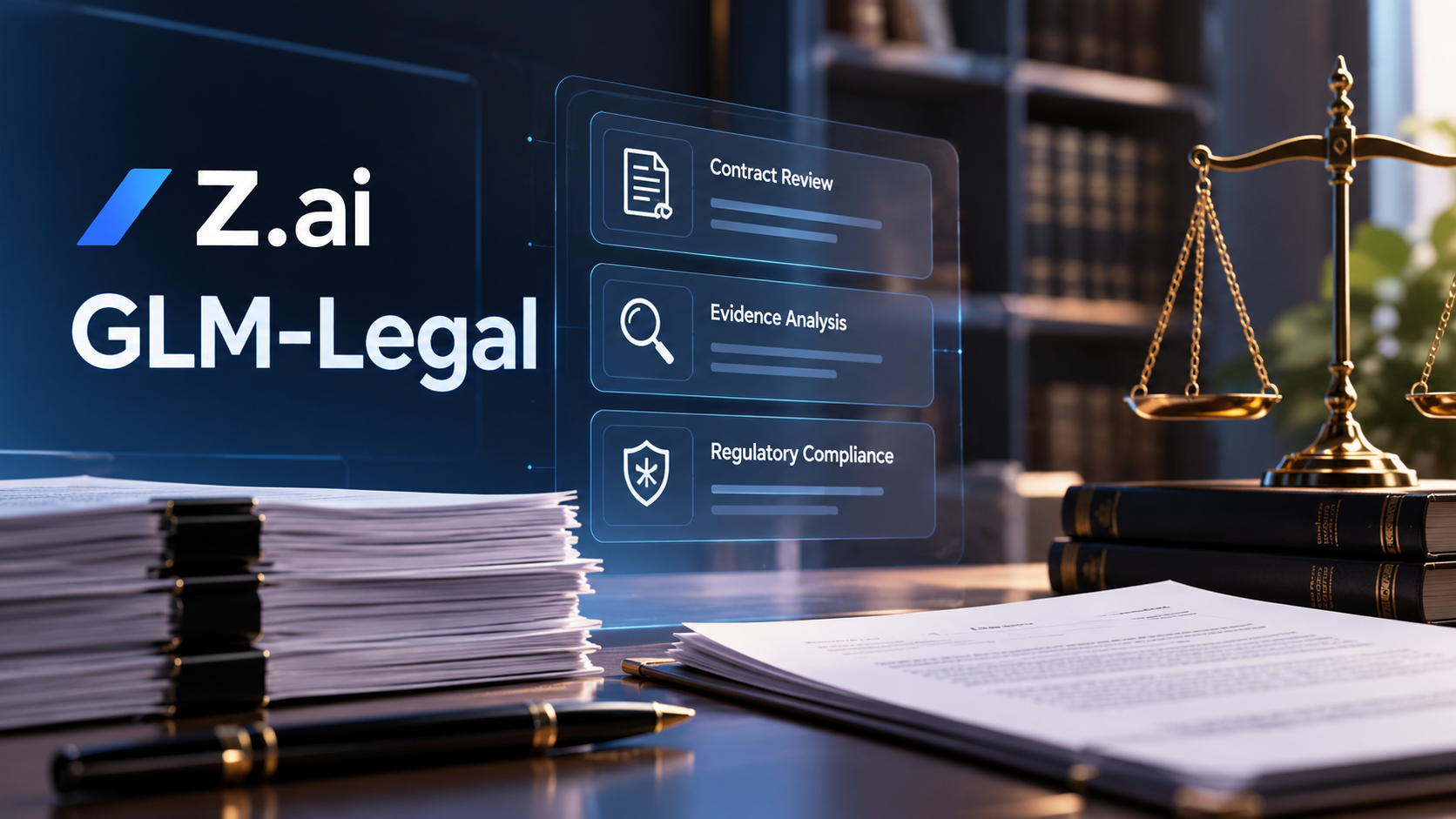
Z.ai Announces GLM-Legal, an AI Model Built for Legal Work
Z.ai has announced GLM-Legal, a specialised AI model designed for contract review, evidence analysis and regulatory compliance. Built on GLM-5.3-Flash, the model aims to improve how AI handles complex legal workflows.
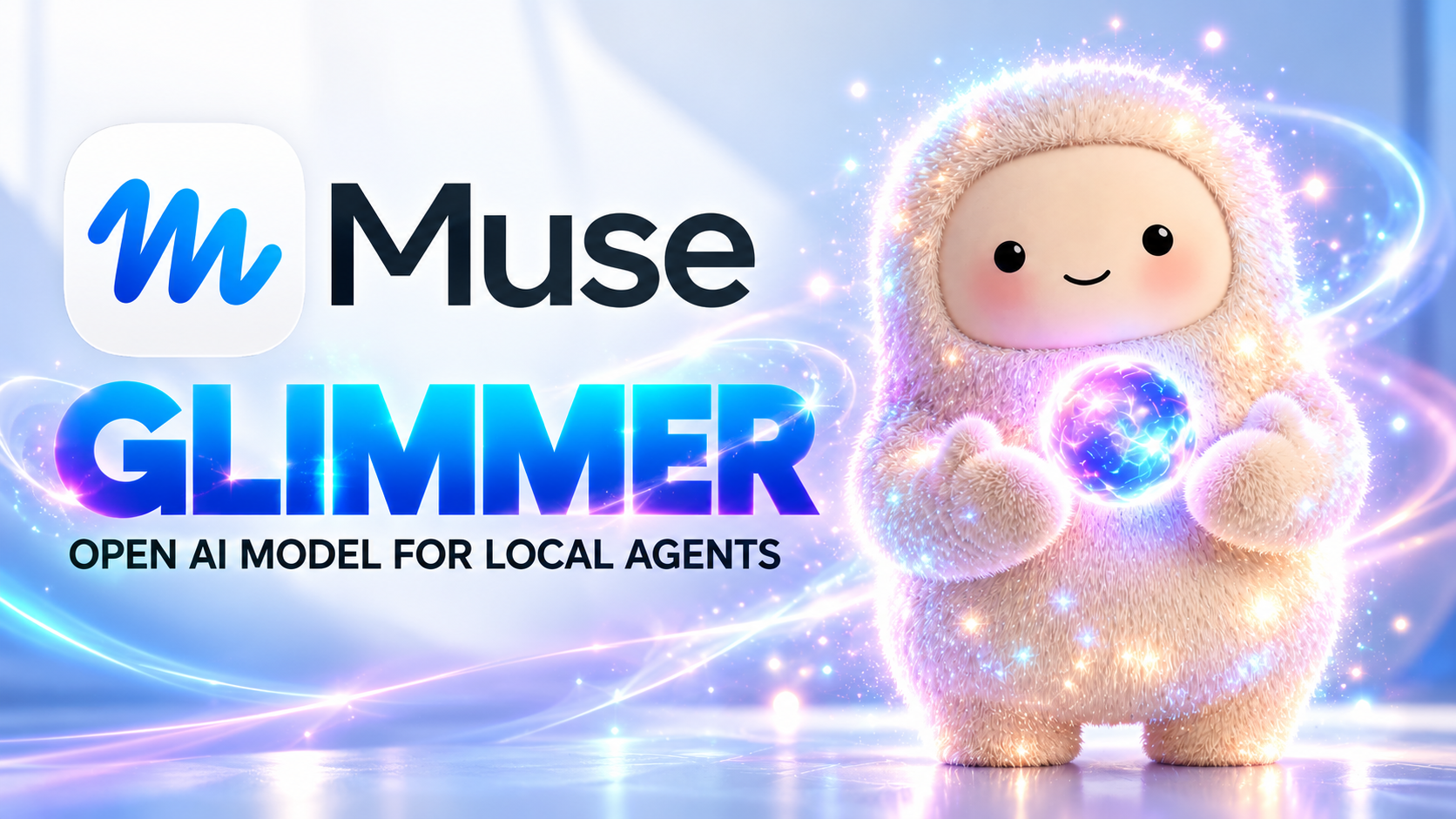
Meta Muse Glimmer: A New Open AI Model for Local AI Agents
Meta's Muse Glimmer is a 30 billion parameter open weight AI model designed for AI agents, with capabilities spanning tool use, coding, image understanding and multi step workflows. Discover what it means for local AI and the future of private business automation.
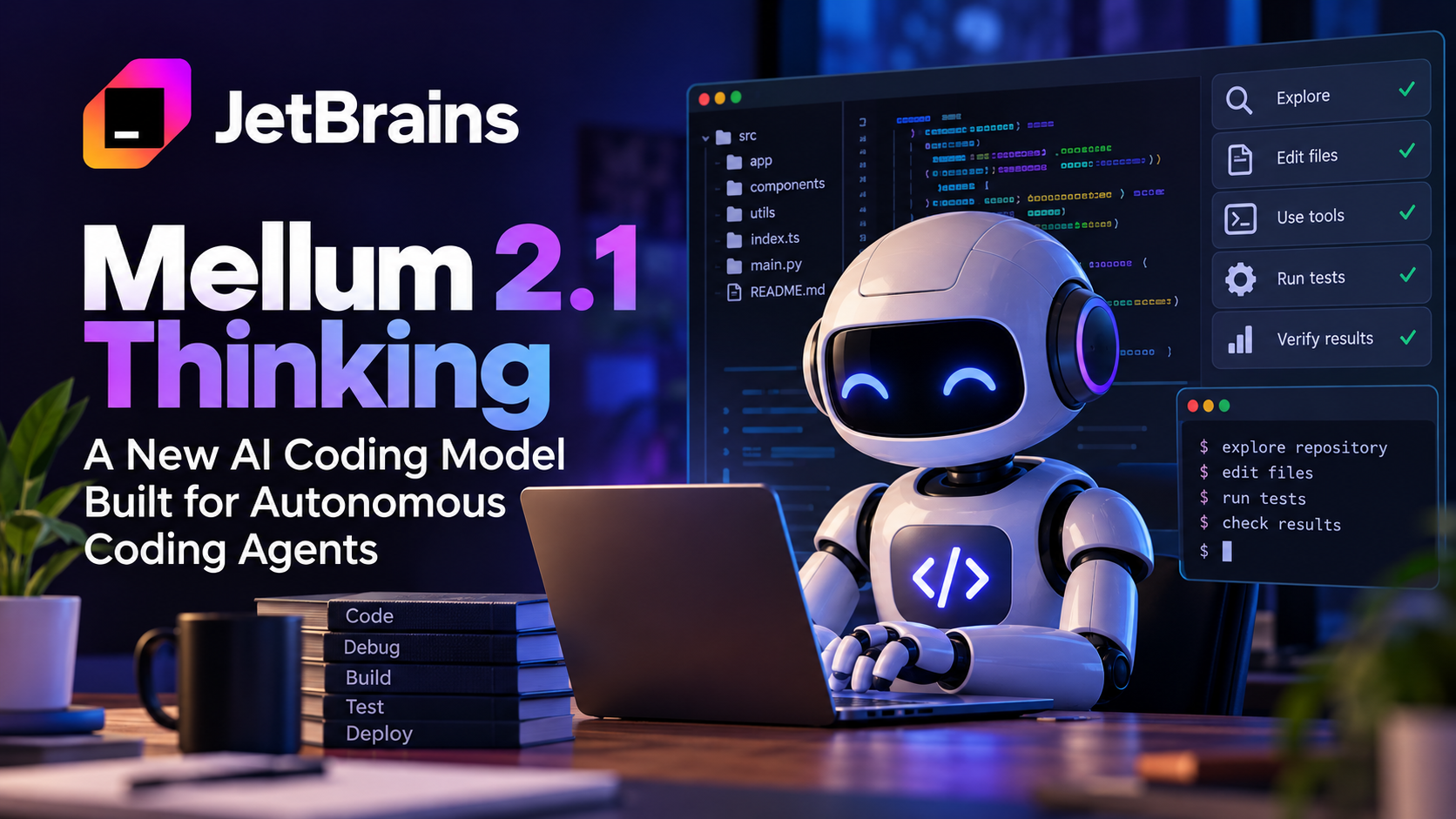
JetBrains Releases Mellum 2.1, a New AI Model for Autonomous Coding
Discover JetBrains Mellum 2.1, an open weight AI coding model designed for autonomous coding agents, efficient inference and private local AI deployment.
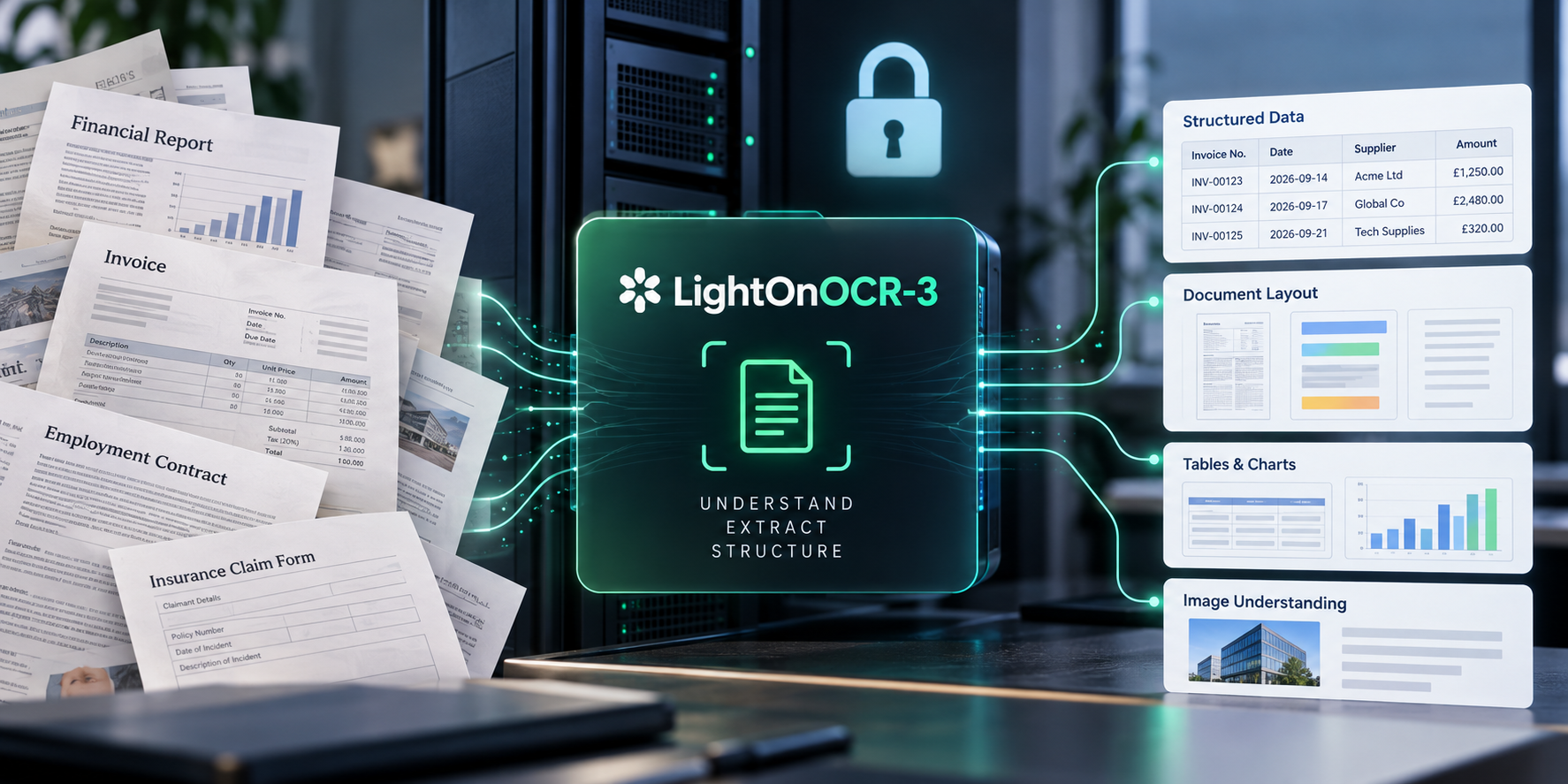
LightOnOCR-3: How Businesses Can Use Local AI to Process Sensitive Documents Privately
Discover how LightOnOCR-3 enables businesses to extract information from sensitive documents using open weight AI models, with the potential for fully private, on premises processing.
GPT OSS: The Complete Guide to OpenAI's Open-Weight AI Models
Explore GPT OSS, OpenAI's open-weight AI model family, including gpt-oss-120b, gpt-oss-20b and the specialized gpt-oss-safeguard models. Learn why OpenAI released open-weight models, how the Mixture-of-Experts architecture works, what makes GPT OSS different from traditional cloud AI, how much hardware you need to run it locally, how quantization changes the requirements, what the models can do, and why GPT OSS is one of the most important developments in local AI.
Phi: The Complete Guide to Microsoft's Phi AI Models and Phi-4
Explore the history of Microsoft's Phi AI models, from Phi-1 and Phi-2 to Phi-3, Phi-3.5, Phi-4, Phi-4-mini and Phi-4-multimodal. Learn why Phi became one of the most important small language model families, how Microsoft uses synthetic data to achieve surprising performance from compact models, what makes Phi-4 different, how Phi Silica brings AI directly onto Windows devices, and which Phi models are best for local AI.
Kimi: The Complete Guide to Moonshot AI's Kimi Models and Kimi K3
Explore the history of Moonshot AI and the Kimi model family, from the original Kimi chatbot and long-context breakthroughs to Kimi K2, K2.5, K2.6, K2.7 Code, and the enormous new Kimi K3. Learn how Kimi's Mixture-of-Experts architecture works, what makes Kimi K3 different, how Agent Swarm works, what hardware is required to run Kimi locally, how quantization changes the equation, and why Moonshot AI is pushing open-weight AI toward increasingly autonomous systems.
GLM: The Complete Guide to Z.ai's GLM AI Models and GLM-5.3
Explore the history of GLM and Z.ai, from Tsinghua University research and GLM-130B to ChatGLM, GLM-4, GLM-4.5, GLM-5, GLM-5.3, and the new GLM-5.3-Flash. Learn how GLM evolved, how its Mixture-of-Experts architecture works, what makes its latest models powerful, which GLM models can run locally, what hardware they require, and where Z.ai is taking the GLM family next.
Mistral: The Complete Guide to Mistral AI Models and Mistral Large 4
Explore the history of Mistral AI, from its founding in France and the original Mistral 7B to Mixtral, Mistral Large 3, Mistral Small 4, and the new Mistral Large 4. Learn about Mistral's model families, architectures, local AI options, hardware requirements, licensing, and the future of open-weight AI.
Llama: The Complete Guide to Meta's Llama AI Models and Llama 4
Explore the history of Meta's Llama AI models, from the original LLaMA to Llama 2, Llama 3, and the multimodal Llama 4 generation. Learn about Scout, Maverick, MoE architecture, context windows, local hardware requirements, licensing, quantization, and what could come next.
Gemma: The Complete Guide to Google’s Gemma AI Models and Gemma 4
Explore the history of Google's Gemma AI models, from the original Gemma to Gemma 4. Learn about Gemma 4 31B, 26B A4B, 12B Unified, E4B and E2B, multimodal capabilities, reasoning, local hardware requirements, quantization, QAT, and which Gemma model is best for your PC.
DeepSeek: The Complete Guide to DeepSeek AI Models and DeepSeek V4.1
Discover the story behind DeepSeek, from its origins in quantitative finance to the breakthrough V3 and R1 models and the latest DeepSeek V4.1 Flash. Explore its architecture, reasoning capabilities, model variants, local AI potential, hardware requirements, and what comes next.
Qwen: The Complete Guide to Qwen AI Models and Qwen3.8
Explore the history of Qwen, Alibaba's AI model family, and the latest Qwen3.8 generation. Learn about Qwen3.8-27B, Qwen3.8-Max, Flash-Next, model variants, local hardware requirements, quantization, capabilities, and what we know about Qwen4.
Local AI for Developers: Build Software With AI on Your Own Computer
Discover how developers can use local AI for coding, debugging, documentation, research, automation, and building private AI-powered applications directly on their own computers.
7 Things You Can Do With Local AI
Discover 7 practical things you can do with local AI, from writing and coding to private document analysis, automation, research, and building your own AI-powered workflows.
How to Choose the Right Local AI Model for Your Computer
Choosing a local AI model doesn't have to be complicated. Learn how to compare model size, hardware requirements, quantization, speed, intelligence, context length, and task specialization.
How Private Is Local AI? Understanding AI Data Privacy
How private is local AI? Learn how running AI on your own computer can help keep prompts and sensitive information under your control, and what you still need to do to stay secure.
Local AI vs Cloud AI for Businesses: Which Is Better?
Compare local AI and cloud AI for business use, including privacy, cost, performance, scalability, security, and how to choose the right approach for your organization.
Local AI for Business: Why Companies Are Running AI On-Premise
Discover how businesses can use local AI to improve privacy, reduce cloud dependency, automate workflows, and keep sensitive information under their own control.
Can You Run AI Without an Internet Connection?
Can AI work without the internet? Learn how local AI works offline, what you need to run AI without an internet connection, and what features still require online access.
What Are GGUF Models? A Beginner’s Guide to Local AI Model Files
Learn what GGUF models are, why they are widely used for local AI, how quantization affects model size and performance, and how to choose the right model for your computer.
How Much RAM Do You Need for Local AI?
How much RAM do you actually need to run AI locally? Learn how RAM affects local AI performance and what you can realistically run with 8 GB, 16 GB, 32 GB, and 64 GB of memory.
The Best Small AI Models for Running AI Locally
Discover why small AI models are becoming so useful for local AI, how model size affects speed and intelligence, and how to choose the right model for your computer.
What Computer Do You Need to Run AI Locally?
Find out what hardware you need to run AI locally, including RAM, CPU, GPU, storage, and realistic recommendations for different PC specifications.
How to Run AI Locally on Your PC
Learn how to run AI locally on your PC, choose the right model for your hardware, and start using artificial intelligence without relying entirely on the cloud.
What Is Local AI? A Beginner’s Guide
Discover what local AI is, how it works, why people are running AI on their own computers, and what you need to get started.
Local AI vs Cloud AI: What’s the Difference?
Learn the differences between local AI and cloud AI, including privacy, cost, hardware, internet access, performance, and which approach is right for you.
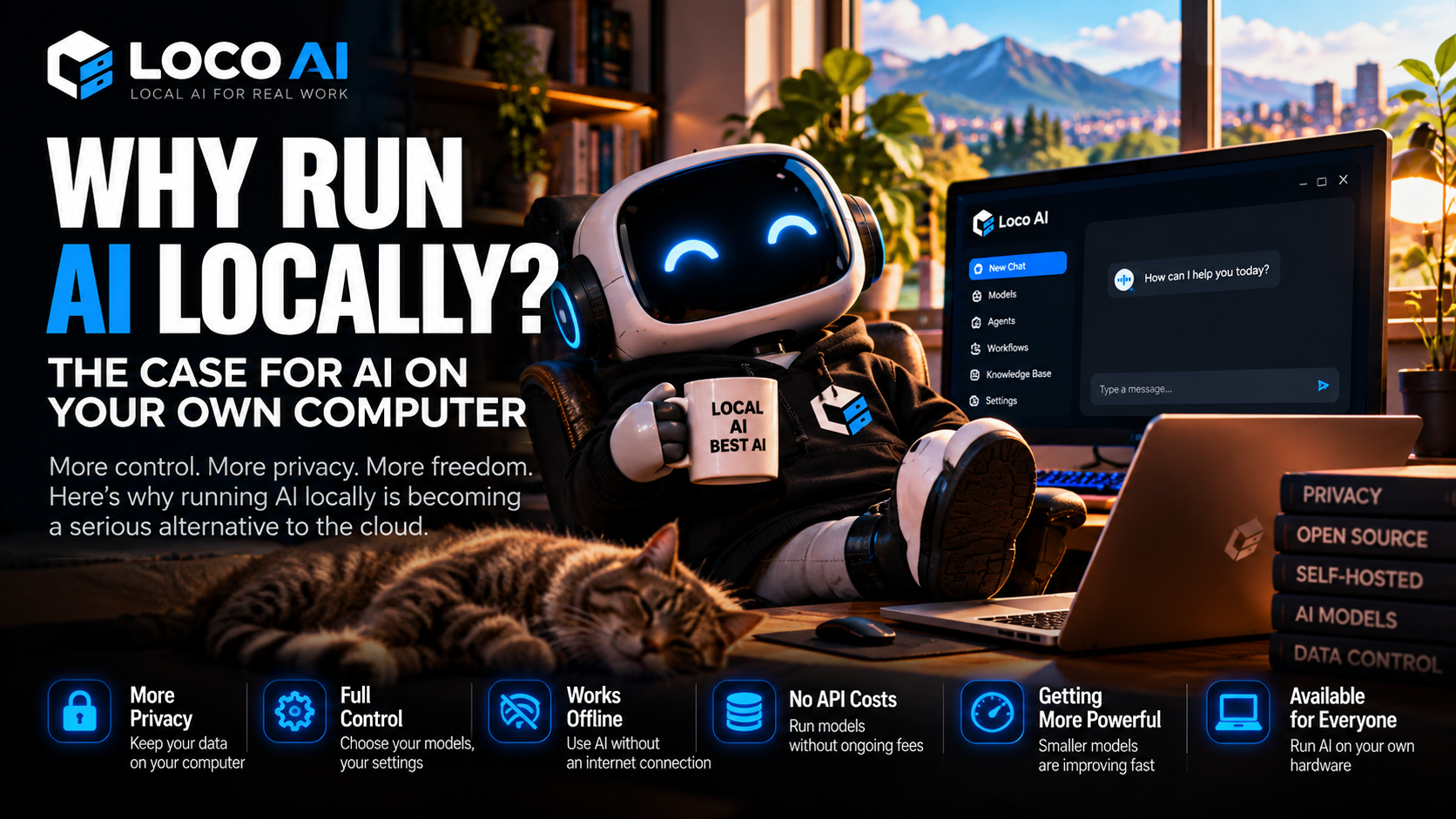
Why You Should Try Running AI Locally
Instead of renting access to someone else's AI infrastructure, you can actually run the software yourself.